
Quick answer: Yes. No federal law bans right-hand-drive cars, and a Japanese car can be driven on US public roads once it is legally imported and registered in your state. Two separate tests apply. The federal test decides whether the car can enter the country. Your state decides whether it can be titled and registered. Passing one does not guarantee the other.
Step 1: The federal import test
The federal government regulates whether a car can enter the US. It does not regulate driving. The National Highway Traffic Safety Administration (NHTSA) states that it is not responsible for regulating operation on public roads or for titling and registering vehicles. That is left to the states.
The main route for JDM cars is the 25-year exemption. Under 49 CFR 591.5(i)(1), a vehicle that is 25 or more years old can be imported without meeting Federal Motor Vehicle Safety Standards. The importer declares it on form HS-7 (Box 1), which asks for the date of manufacture.
Cars under 25 years old are harder. Under 49 CFR 591.5(f), a non-conforming car needs a 150% bond and must be handled through an NHTSA-registered importer, with NHTSA confirming eligibility. This is expensive and vehicle-specific, which is why most people wait for the 25-year mark.
As of November 12, 2026, that means cars built in November 2001 or earlier clear the federal safety test. The emissions test is separate. Under EPA code E on Form 3520-1, a car at least 21 years old in original condition is exempt from EPA emissions requirements. EPA counts calendar years for this test, so it opens earlier than the 25-year safety test.
Step 2: Right-hand drive
Yes, you can legally drive a right-hand-drive car in the US. No federal rule requires a steering wheel on the left, and NHTSA has said that RHD vehicles can be made compliant with FMVSS. Japanese cars were built for left-side traffic, so the steering wheel sits on the right.
That doesn’t mean the driving is easy. The US drives on the right, so an RHD car puts the driver on the curb side of the road. Headlight aim often needs adjustment for right-hand traffic. Drive-throughs, toll booths, and overtaking all take some getting used to.
Before buying, check your state’s DMV, because some states may ask questions or request inspection for RHD vehicles. I did not confirm an outright state ban on RHD vehicles, but I also did not review every state’s vehicle code. The one clear RHD restriction I found is in Quebec, Canada, where the provincial agency SAAQ prohibits road use of right-hand-drive vehicles built less than 25 years before the application date. That applies in Canada, not in the US.
Step 3: State registration (where most of the work happens)
Once a car clears US Customs, the state takes over. Customs clearance is not the end of the process. To register a JDM import, most states require:
- The stamped HS-7 declaration and CBP Form 7501 entry summary
- The original foreign title, with an English translation if it is not in English
- A bill of sale
- A VIN inspection, in many states, to confirm the car in front of the inspector matches the paperwork
- Proof of insurance, which is mandatory before registration in most states
The NHTSA form HS-7 is the document most DMVs look for, and the HS-7 Box 1 entry is what shows the car qualifies under the 25-year rule.
Requirements vary by state, and sometimes by individual DMV office. Some states ask for an emissions or safety inspection. Others do not. Check your state’s current rules before buying.
Step 4: Emissions and inspection
The federal EPA emissions exemption and state emissions rules are different things. A car can clear EPA and still need an emissions test in some states.
California is the most demanding state. Sources disagree on the details. One says cars 25 or older are exempt from smog testing, while another says smog applies to cars from model year 1976 onward. Before buying a JDM car for California, check current rules with the DMV, the Bureau of Automotive Repair, and CARB. Requirements change often.
New York has inspection requirements that vary by county. Some sources note that cars 25 or older may qualify for historical plates with different inspection rules. Confirm with NYSDMV.
States with lighter requirements include Montana and South Dakota, where sources report no emissions testing for most vehicle classes. Confirm before relying on this.
Step 5: Speedometer, lights, and modifications
Japanese cars often have speedometers in km/h. The federal rule that cars must display mph applies to vehicles that must meet FMVSS. A 25-year-old car that is exempt from FMVSS does not have to meet that federal requirement, but state rules may still ask for a mph speedometer. Some owners add a mph dial or a cluster replacement. Check your state before deciding.
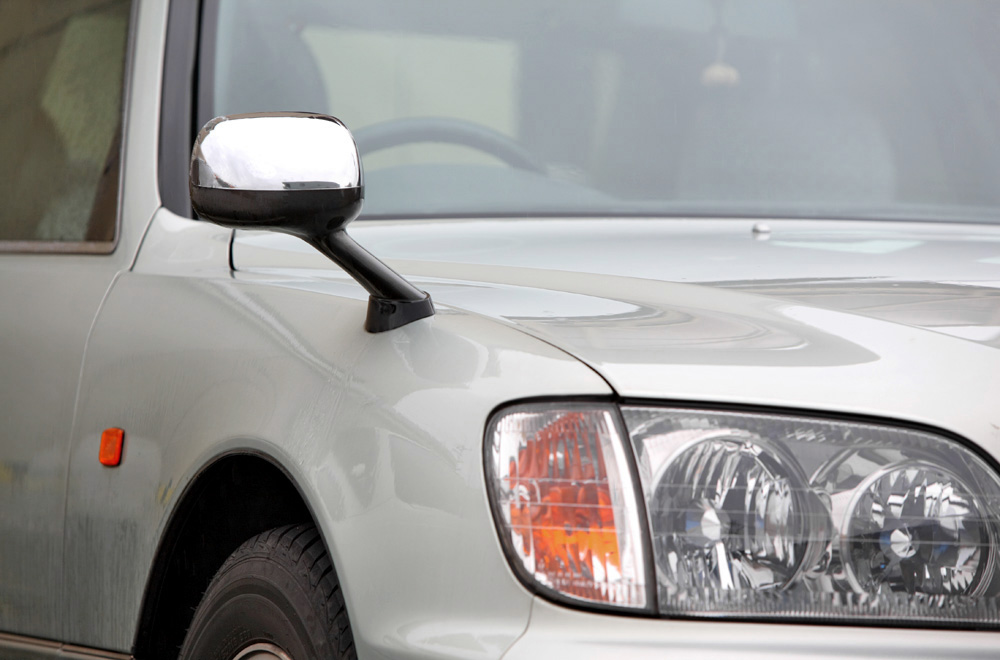
Lighting, turn signals, and brake lights are governed by state law. Some JDM models use amber front turn signals, and some headlight designs can be a problem for oncoming traffic. If your state inspects lights, plan for it.
Who has the easiest path?
- Enthusiasts importing a car 25 years or older have the simplest federal path. Registration still depends on the state.
- Owners of newer JDM cars usually face a registered importer process and a conformity bond, which is often not worth it for a car that is only a few years short of 25.
- Anyone importing a car from Canada follows a different process, with its own export documentation and a VIN inspection.
Frequently asked questions
Can you drive a right-hand-drive car in the US?
Yes. No federal law bans RHD cars, and a car that is legally imported and registered can be driven on public roads. Some states may have specific inspection or registration questions.
Is a JDM car legal to drive once it’s imported?
Only after it is titled and registered in your state. Customs clearance alone does not make a car street-legal.
Do I need to convert a JDM car to left-hand drive?
No federal or state law I found requires conversion. Some sources say no state requires it, but I did not verify each state’s code.
Can a car under 25 years old be driven in the US?
Usually not without going through a registered importer and bringing the car into compliance with federal standards. Most people wait until the car reaches 25.
Does the 25-year rule mean I can register my car anywhere?
No. The federal rule allows import. Each state decides whether to title and register the car.
Do I need insurance?
Yes. Most states require insurance before registration.