
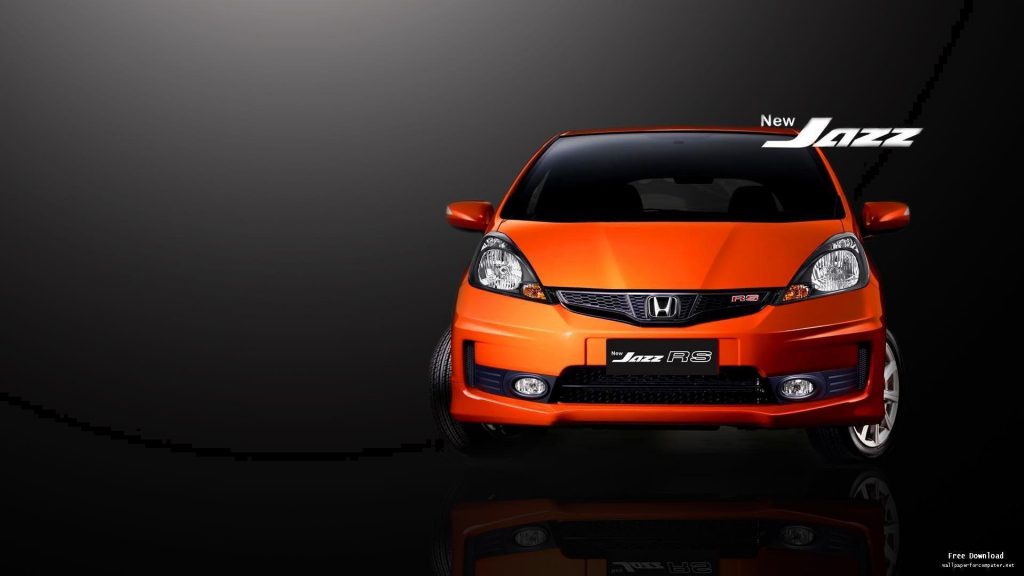
The Honda Fit and the Suzuki Swift are two of the most popular small hatchbacks that come out of Japan as used cars. They cost about the same, they are both cheap to run, and both are easy to find at Japanese auctions. They are built for different buyers, though. The Fit is about space and practicality. The Swift is about low weight and a more fun drive. This guide compares the generations you are most likely to buy, so you can choose the one that suits how you drive.
Which generations are we comparing?
- Honda Fit, 3rd generation (GK/GP5, 2013–2020): the most common used Fit. Petrol versions use a 1.3 L or 1.5 L engine, and the Fit Hybrid uses a 1.5 L engine with Honda's i-DCD hybrid system and a 7-speed dual-clutch gearbox.
- Honda Fit, 4th generation (GR, 2020 onwards): newer and more expensive, with a 1.3 L petrol engine or the e:HEV two-motor hybrid.
- Suzuki Swift, 4th generation (ZC/ZD, 2017–2023): the most common used Swift. Versions include a 1.2 L petrol, a 1.2 L mild hybrid, a 1.2 L hybrid with an automated manual gearbox, a 1.0 L turbo (RSt) and the 1.4 L turbo Swift Sport.
Outside Japan the Fit is often sold as the Honda Jazz, so parts and service knowledge are widely available. The Swift is also sold in many markets, so parts are easy to find in most regions.
Space and practicality: the Fit's biggest strength
The Fit places its fuel tank under the front seats instead of under the rear seats. That frees up a lot of room in the back. The rear seat cushions can flip up to carry tall items such as plants or bicycles, and the seats fold flat for a long, level load floor. For a car of its size, the Fit carries more than most buyers expect.
The Swift is a conventional small hatchback. Four adults fit, but rear legroom and boot space are smaller than in the Fit. If you regularly carry passengers, shopping or luggage, the Fit is the more practical car.
Driving: the Swift's biggest strength
The Swift is very light. Most versions weigh well under a tonne, which makes it feel quick and agile even with a small engine. Steering is direct and the car is easy to place on narrow streets. The Swift Sport adds a turbocharged 1.4 L engine and firmer suspension, and is one of the best-value fun cars you can import from Japan.
The Fit is comfortable and easy to drive, but it is heavier and tuned for comfort rather than fun. The 1.5 L petrol and hybrid versions have enough power for highway driving. The 1.3 L is best suited to town use.
Fuel economy and running costs
Both cars are economical. The hybrid versions use the least fuel in city driving, where they can run on electric power at low speeds. Real-world figures depend on traffic, climate and driving style, so treat official Japanese (JC08 or WLTC) figures as a comparison between models, not a promise of what you will achieve.
In general:
- The Fit Hybrid and the Swift hybrid versions are the cheapest on fuel in town.
- The non-hybrid Swift 1.2 is very economical thanks to its low weight, and is the simplest to maintain.
- The Swift Sport uses more fuel and needs higher-grade petrol in some markets. Check the owner's manual for the recommended octane.
For a hybrid, the battery is the main long-term cost to think about. Our guide to Fit Hybrid battery life and replacement costs explains what to expect.
Reliability and what to check
Both cars have a good reputation for reliability. A few things deserve extra attention on a used example:
- Fit Hybrid (i-DCD, 2013–2020): early cars had several software recalls for the dual-clutch gearbox. Ask whether recall work has been done, and look for smooth, clean gear changes on a test drive or in the inspection report.
- CVT gearboxes (non-hybrid Fit and most automatic Swifts): check for slipping, shuddering or whining, and ask whether the CVT fluid has been changed.
- Swift hybrid with automated manual gearbox: gear changes feel slower than a normal automatic. Try one before you buy if possible, or read reviews so you know what to expect.
- Swift Sport: check for signs of hard driving or modification, such as aftermarket exhausts, lowered suspension and kerbed wheels.
Whichever you choose, read the auction sheet carefully. Our guide on how to read a Japanese car auction sheet explains the grades and damage codes, and our article on spotting mileage tampering shows how to check that the odometer reading is genuine.
Honda Fit vs Suzuki Swift: side-by-side
Honda Fit (3rd gen)Suzuki Swift (4th gen) Best forSpace, families, carrying loadsLight weight, fun driving, simplicity Engines1.3 L, 1.5 L petrol; 1.5 L hybrid1.2 L petrol and hybrids; 1.0 L turbo; 1.4 L turbo (Sport) Rear seat and bootLarger, with flip-up rear seatsSmaller WeightHeavierLighter (most versions under 1,000 kg) Main checksHybrid gearbox recalls, CVT conditionCVT or automated gearbox, signs of hard drivingVerdict: which one should you buy?
Choose the Honda Fit if you need a small car that can still carry a family, luggage or bulky items. Its interior space is the best in this class, and the hybrid is very economical in city traffic.
Choose the Suzuki Swift if you mostly drive alone or with one passenger and want a light, simple car that is enjoyable to drive. If you want a fun car on a budget, the Swift Sport is hard to beat.
Before you buy either car, check your country's import rules on vehicle age and engine size in our guide to used car import regulations, and follow our step-by-step guide to buying at a Japanese auction.