
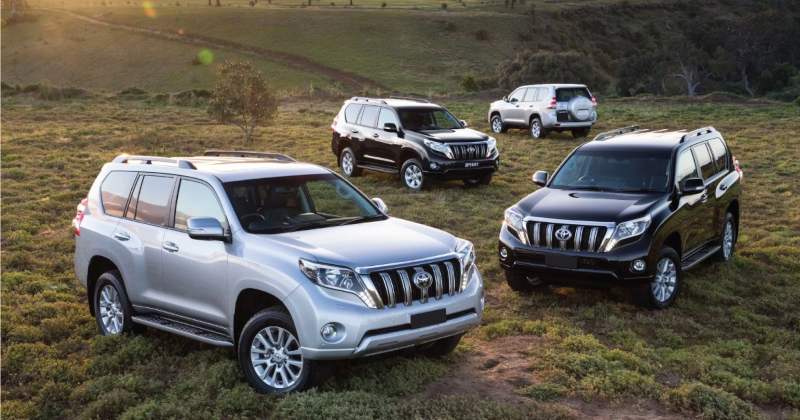
Importing used Japanese cars into Kenya is a well-established process governed by the Kenya Revenue Authority (KRA), Kenya Bureau of Standards (KEBS), and the Kenya Roads Board. Kenya is one of the largest destinations for Japanese used vehicle exports globally, receiving tens of thousands of units annually. In 2026, Kenya's import regulations require vehicles to be right-hand drive, not older than 8 years from the year of manufacture, and compliant with KS 1515 standards. Understanding each step of the import process protects buyers from delays, penalties, and non-compliant vehicles.
Kenya's Vehicle Import Regulations in 2026
Kenya's import rules for used vehicles are enforced strictly. Violating any requirement can result in vehicle impoundment or rejection at the port of Mombasa.
- Age limit: Vehicles must not be more than 8 years old from the year of manufacture (e.g., in 2026, the oldest permissible model year is 2018)
- Steering: Only right-hand drive (RHD) vehicles are permitted
- Roadworthiness: Must comply with Kenya Bureau of Standards specification KS 1515
- Mileage: No statutory mileage limit, but KEBS inspectors flag vehicles with clearly inconsistent mileage
- Emissions: Euro 2 minimum standard; Euro 4/5 vehicles recommended
- Left-hand drive ban: Absolutely no LHD vehicles are permitted for private use
Step-by-Step Import Process
Step 1: Select and Purchase the Vehicle in Japan
Work with a JUMVEA-registered Japanese exporter. Specify RHD, confirm the manufacture date (not just the year of first registration), and obtain the full auction sheet. For Kenya-bound vehicles, Grade 3.5 or above is standard; exporters with Kenya experience will know the KEBS requirements well.
Step 2: Obtain Pre-Export Inspection (PVoC)
Kenya requires a Pre-Verification of Conformity (PVoC) inspection before the vehicle leaves Japan. The PVoC is conducted by KEBS-approved agencies operating in Japan, including Bureau Veritas, Intertek, and SGS. The inspection verifies:
- Vehicle age (chassis/VIN verification against manufacture date)
- Right-hand drive configuration
- Odometer reading
- Structural integrity and safety compliance
- Emissions compliance
Without a valid PVoC certificate, the vehicle will be rejected at Mombasa port. Cost: approximately USD 150–250 per vehicle.
Step 3: Arrange Shipping to Mombasa
Most Japanese used cars for Kenya are shipped via RORO (Roll-On Roll-Off) vessels. Key shipping details:
- Main Japanese export ports: Nagoya, Osaka, Yokohama, Kawasaki
- Destination port: Mombasa, Kenya
- Transit time: approximately 25–35 days
- Shipping cost: approximately USD 900–1,400 per vehicle (2026 market rates)
- Marine insurance: 1.5–2% of vehicle value
Step 4: Import Duty and Tax Calculation
Kenya applies several taxes and levies on imported vehicles. All are calculated based on the Customs Value (CIF — Cost, Insurance, Freight):
- Import Duty: 25% of CIF value
- Excise Duty: 20% of (CIF + Import Duty) for vehicles over 1,500cc engine; 0% for electric vehicles
- VAT: 16% of (CIF + Import Duty + Excise Duty)
- IDF (Import Declaration Fee): 3.5% of CIF value
- RDL (Railway Development Levy): 2% of CIF value
Total tax burden is typically 55–70% of the CIF value for standard petrol passenger vehicles. Electric vehicles attract significantly lower duty — a major reason Kenyan buyers are increasingly considering Japanese EVs and PHEVs.
Example Calculation (2026)
- Vehicle FOB Japan: USD 10,000
- Shipping + Insurance (CIF): USD 11,400
- Import Duty (25%): USD 2,850
- Excise Duty (20% of USD 14,250): USD 2,850
- VAT (16% of USD 17,100): USD 2,736
- IDF (3.5%): USD 399
- RDL (2%): USD 228
- Total taxes: approximately USD 9,063
- Total landed cost: approximately USD 20,463
Step 5: Customs Clearance at Mombasa
Work with a Kenya Revenue Authority (KRA)-registered clearing agent at Mombasa port. Required documents:
- Original Bill of Lading
- Commercial invoice from the Japanese exporter
- PVoC certificate issued by KEBS-approved agency in Japan
- Export certificate (Yushutsu Shomei) from Japan
- Deregistration certificate (Tsucho)
- Marine insurance certificate
- Import Declaration Form (IDF) — filed electronically via KRA's iCMS system
Step 6: NTSA Registration
After clearing customs, register the vehicle with the National Transport and Safety Authority (NTSA). This includes:
- Vehicle inspection at an authorised NTSA inspection centre
- Assignment of Kenyan number plates
- Logbook (registration certificate) issuance
- Third-party insurance (mandatory before driving on public roads)
Most Popular Japanese Cars Imported to Kenya in 2026
- Toyota Land Cruiser Prado (most sought-after; high resale value)
- Toyota Harrier / RAV4 (popular urban SUV)
- Toyota Fielder / Corolla Wagon (taxi and family use)
- Toyota Noah / Voxy (8-seater family MPV)
- Subaru Forester / Outback (popular in highland areas)
- Nissan X-Trail (affordable family SUV)
- Toyota Hiace (dominant minibus/matatu platform)
Bottom Line
Importing Japanese used cars to Kenya in 2026 is a transparent but tax-heavy process. The 8-year age restriction and mandatory PVoC inspection are non-negotiable — confirm these before purchasing. Total landed costs are typically 180–200% of the Japan FOB price after all duties, shipping, and local costs. Use a KRA-registered clearing agent and a JUMVEA-registered exporter to ensure full compliance and avoid rejection at Mombasa port. Electric and hybrid vehicles attract significantly lower import duty, making them increasingly cost-effective despite higher initial purchase prices.
- Maximum age: 8 years from manufacture date (not registration date)
- Mandatory: PVoC inspection before export from Japan
- EV incentive: Electric vehicles attract 0% excise duty in Kenya — consider hybrid or EV options
- Always verify manufacture date on the chassis plate, not just the auction sheet year