
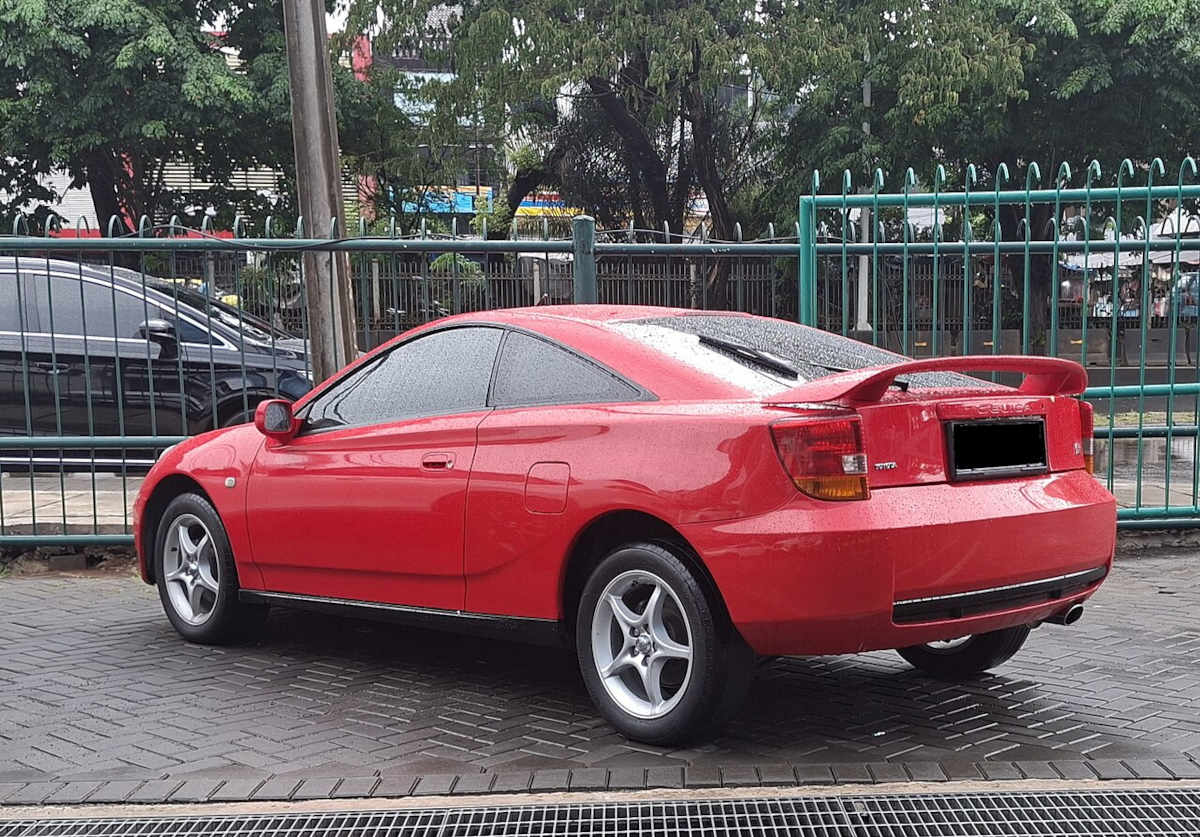
Quick answer: For a car worth about $10,000 that is at least 25 years old, plan on roughly $14,000 to $16,500 landed in a US state. That covers Japan-side fees, freight, duty, port and filing charges, and registration. The purchase price is only part of the total, and the duty rate depends on where the car was built and its age.
The cost categories
Every import has the same building blocks:
- Purchase price at auction or from a dealer
- Japan-side fees: auction buyer’s fee, agent or exporter fee, inland transport to the port, and the export certificate
- Ocean freight by RoRo (drive-on) or container
- Marine insurance, which is optional and depends on the shipper
- US duty and fees: customs duty, the Merchandise Processing Fee, and the Harbor Maintenance Fee
- Filing and clearance: an ISF filing, a customs broker’s entry, and any port handling or storage
- US inland transport and state registration: transport from the port, VIN inspection, title, emissions testing where required, and insurance
US duty: the rate depends on age and origin
Duty is the line item most people get wrong, so check it first.
- Japan-built passenger car, under 25 years old: About 15% all-in under Section 232, according to several sources. The base rate is 2.5%. Cars under 25 can’t generally be registered without a registered importer and federal compliance work, so this is mostly relevant for vehicles that will eventually qualify.
- Japan-built passenger car, 25 years or older: Exempt from Section 232 under heading 9903.94.04. Some importers report a separate 12.5% total from July 24, 2026. Confirm this before budgeting.
- Merchandise Processing Fee: 0.3464% of the customs value, with a minimum and maximum set each year.
- Harbor Maintenance Fee: 0.125% on ocean cargo.
Duty is charged on the customs value. For US purposes this is generally the purchase price, not the international freight. A broker can confirm the figure for a specific car.
Worked example: a $10,000 car, 25+ years old, Japan-built
Assume an auction price of $10,000, with the 12.5% duty scenario. Other ranges are shown as low and high estimates from the sources above.
| Line item | Low | High |
|---|---|---|
| Purchase price | $10,000 | $10,000 |
| US duty (12.5% scenario) | $1,250 | $1,250 |
| Merchandise Processing Fee (0.3464%) | $35 | $35 |
| Harbor Maintenance Fee (0.125%) | $13 | $13 |
| Japan-side fees (auction, agent, export, inland) | $800 | $1,500 |
| Ocean freight (RoRo) | $1,000 | $2,000 |
| Customs broker entry | $150 | $350 |
| ISF filing service | $25 | $80 |
| US inland transport and registration | $900 | $1,300 |
| Estimated total | ≈ $14,200 | ≈ $16,500 |
If the 12.5% duty does not apply and only the 2.5% base rate does, the duty falls to $250 and the total drops by about $1,000.
Insurance, port storage if the car sits, and repairs or inspection work are not included. Add a contingency of 5 to 10% for surprises.
The costs most buyers forget
- Auction and agent fees in Japan. These are often quoted separately from the car price. Ask for an all-in FOB figure.
- Export certificate. The car must be deregistered in Japan before it can leave, and the export certificate is required for US and state paperwork.
- Port storage. Storage charges begin once the container is available for pickup, if the car isn’t collected promptly. Arrange transport before the ship arrives.
- Inspection and conformance work. A car under 25 years old may need a registered importer, which can cost far more than the car is worth. Most buyers wait until the car qualifies.
- State registration. Titling, VIN inspection, emissions testing where required, and insurance all cost money. Some states require more paperwork than others.
- Currency. Auction prices are in yen. A weaker dollar raises the cost of the car, and sellers may add a currency margin.
Shipping: RoRo or container
- RoRo (roll-on, roll-off) is the cheapest option for a car that runs and can be driven onto the ship. Sources put it from about $800 to $3,500, with the spread caused by route, season, and quote type.
- Container costs more and protects the car. It’s the choice for non-runners, classic or high-value cars, and modified cars. Sources put it from about $1,500 to $6,000.
Get at least three written quotes for your specific port and sailing date. Ask whether the price includes Japan-side inland transport, export handling, and insurance.
Canada: different rules, different costs
Canada treats Japan-direct imports differently from US-purchased cars.
- Cars 15 years old or older, built in Japan: These are non-regulated under Transport Canada rules and are not subject to the RIV import fee. RIV covers vehicles bought at retail in the United States or Mexico.
- Cars bought in the US: The RIV import fee is $325 plus GST or HST, per CBSA Customs Notice 20-26. Check riv.ca for the current figure.
- Taxes and duty: GST or HST applies. The duty rate for Japan-built vehicles depends on current tariff treatment, so confirm with CBSA or a broker.
- Provincial registration: Each province registers imports separately. Quebec restricts right-hand-drive vehicles built less than 25 years before the application date, with exceptions.
Ways to reduce the cost
- Choose a car that runs. RoRo is much cheaper than a container.
- Buy from a reputable exporter who itemizes. Hidden fees are common. Ask for a written FOB figure and a list of charges.
- Wait for the 25-year mark if the car is newer. Conformance work is rarely worth it.
- Ship consolidated. A shared container can cost less than a sole-use container.
- Check the duty class before you bid. Confirming the age and origin rules first can prevent an expensive surprise.
Frequently asked questions
How much does it cost to import a JDM car to the US?
For a car worth about $10,000 that is 25 or more years old, expect roughly $14,000 to $16,500 landed, including Japan-side fees, freight, duty, port and filing charges, and state registration. Costs vary by state and shipping method.
What is the US duty on a JDM car?
The base rate is 2.5%. Japan-built cars under 25 years pay about 15% total under Section 232. Japan-built cars 25 or older are exempt from Section 232, and some importers report a 12.5% total from July 24, 2026. Confirm with a broker.
Is RoRo or container cheaper?
RoRo is cheaper for a car that runs. Container is the better choice for non-runners, classics, and high-value cars.
Is there an RIV fee for a car imported from Japan to Canada?
Not for a car 15 years or older that is imported directly from Japan. The RIV fee applies to cars bought at retail in the US or Mexico.