
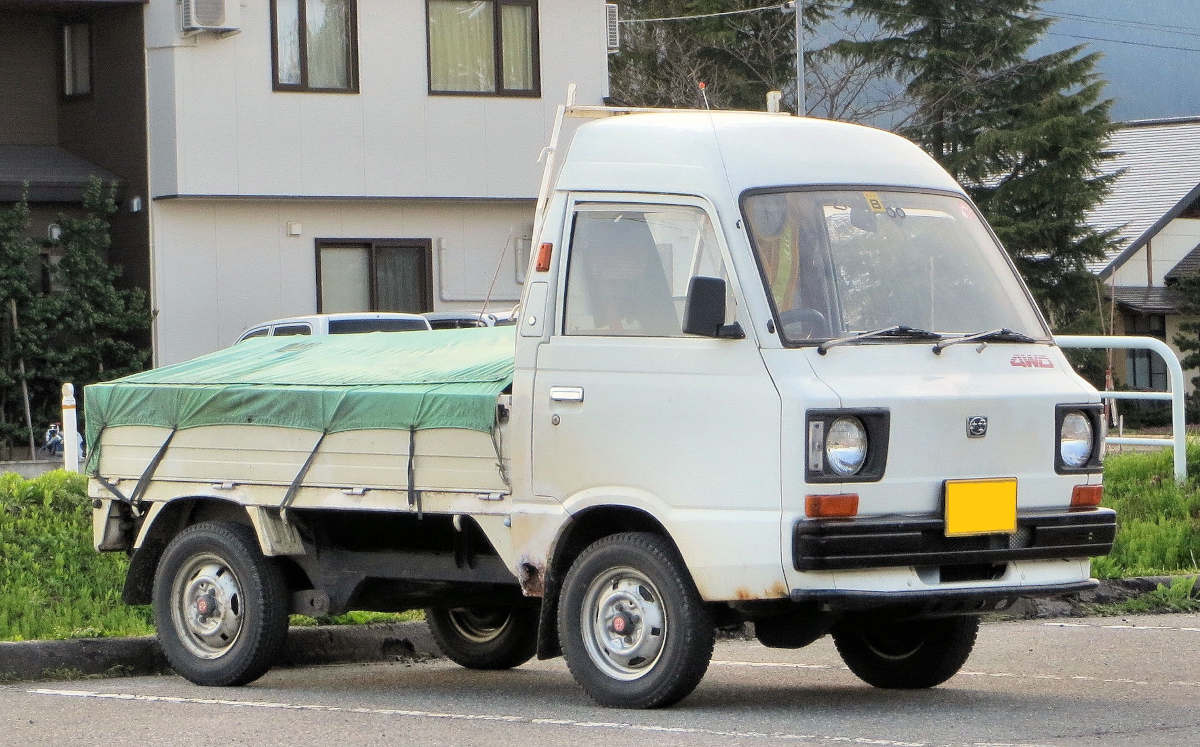
Kei trucks come with a vocabulary of their own. Japanese paperwork uses terms that US buyers rarely see, the chassis code is more useful than the model name, and a figure like "PS" can be confused with horsepower. This glossary defines the terms a buyer meets in listings, inspection reports and import paperwork, so that the numbers mean the same thing to everyone in the transaction.
What does kei mean?
Kei means light or lightweight in Japanese, and the kei class is a Japanese vehicle category with limits on size and engine displacement. The limits apply to vehicles built for the Japanese market. A kei truck sold in the US is simply a small truck built to those limits, and US rules apply to it once it is imported and registered.
What is shaken?
Shaken is Japan's mandatory vehicle inspection. A kei truck's first inspection falls three years after first registration, and later inspections follow every two years. The shaken certificate records the last inspection and the date of the next one. It is a Japanese record, and it does not decide whether a truck can be imported into the US.
What is the 25-year rule?
The 25-year rule is the federal exemption that lets a vehicle 25 years old or older be imported without meeting the Federal Motor Vehicle Safety Standards that apply to new vehicles. The rule is set out in 49 CFR Part 591. The age is counted from the manufacture date.
What is a chassis code?
A chassis code is the model code stamped on the vehicle, such as the codes used for the Honda Acty or the Suzuki Carry. It identifies the generation, the drivetrain and often the engine. Two trucks sold under one name can have different chassis codes, so the code is the reliable identifier. Check the code on the chassis plate and match it to the paperwork.
What does PS mean?
PS stands for Pferdestärke, a metric horsepower unit that Japanese manufacturers use for engine output. It is close to but not the same as the US horsepower figure, which is measured differently. A listing that gives an engine in PS should not be compared directly with a US horsepower figure without converting it.
What is payload?
Payload is the weight a vehicle can carry, including the bed contents, the passengers and any equipment added to the truck. It is set by the manufacturer for each model and is listed in the owner's manual. A modification that adds weight reduces the payload available for work.
What is mid-engine?
A mid-engine truck has its engine between the axles, behind the cab and ahead of the rear axle. Some kei trucks, including the Honda Acty and later Daihatsu Hijet generations, use this layout. It changes the weight balance and the service access compared with a front-engine layout.
What is a cab-over?
A cab-over truck has the cab mounted over the engine, so the driver sits above or ahead of the engine. Early Suzuki Carry generations used a semi cab-over body. The layout changes the cab space, the entry and the way the load sits.
What is a 4WD transfer case?
A transfer case splits the engine's drive between the front and rear axles on a four-wheel-drive truck. Some transfer cases offer a high and low range for loose ground and steep slopes. Check the transfer case for leaks and binding before you buy a 4WD truck.
What is FMVSS?
FMVSS are the Federal Motor Vehicle Safety Standards, the US rules that set safety requirements for new vehicles. A vehicle that is 25 years old or older at import is exempt from them under the federal rule. A newer vehicle must meet them or be excluded from import.
What is CBP?
CBP is US Customs and Border Protection, the agency that handles the import entry for a vehicle, collects duty and checks the paperwork at the border. Its forms and fees are the reference for the import process.
Frequently asked questions
Is PS the same as horsepower?
No. PS is a metric unit and it is not identical to the US horsepower figure. Convert the figure before you compare it.
Does a chassis code tell me the year?
It identifies the generation and often the range of years. Check the manufacture date on the plate for the exact year.
Is shaken the same as a US safety inspection?
No. Shaken is a Japanese inspection, and US inspection rules are set by each state.
Where do I find the payload?
In the owner's manual or the manufacturer's specification for the exact model and year.
Verdict
A buyer who knows these terms can read a listing and an inspection report without guessing. Start with the chassis code, the manufacture date and the payload, then check the terms that connect them to the law.