
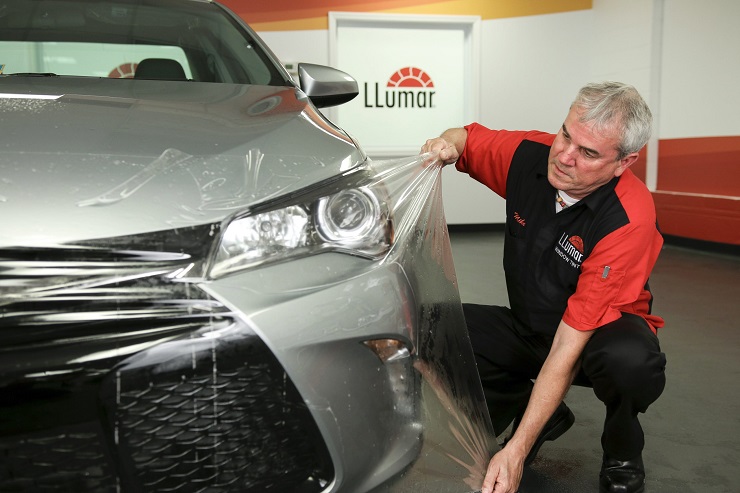
Why Should You Use Paint Protection Film (PPF) For Your Car?
Paint Protection Film (PPF) — also known as clear bra or urethane film — is a transparent thermoplastic urethane applied to a vehicle's painted surfaces to protect against stone chips, road debris, insect damage, and minor abrasions. For owners of Japanese used cars, particularly freshly imported vehicles, PPF is one of the highest-return investments you can make in preserving resale value. A well-applied PPF installation can maintain showroom-quality paint for 5-10 years.
What PPF Protects Against
- Stone chips: The most common paint damage on imported vehicles driven on gravel or unsealed roads in Africa and the Middle East
- Road tar and bug splatter: Acidic residue from insects and tar can etch clear coat within hours in hot climates
- Light scratches: Self-healing PPF (using heat-activated urethane) can recover from light swirl marks and fingernail scratches on its own
- UV fading: Premium PPF blocks UV radiation that degrades paint clarity over time — particularly important in high-UV markets like the UAE, Kenya, and Australia
- Washing abrasion: Hand-wash and automated car wash contact causes micro-scratching over time; PPF absorbs this wear instead of the paint
Types of PPF Available in 2026
Standard Clear PPF
The most common type — invisible when installed correctly, offering impact protection and self-healing properties. Brands like XPEL Ultimate Plus, 3M Pro Series, and SunTek Ultra are the market leaders. Installation cost for full-front coverage (hood, fenders, mirrors, bumper) on a mid-size sedan runs USD 800-1,500 at a quality installer in Japan or USD 500-900 in African or Asian markets.
Matte PPF
Converts a gloss-painted car to a factory-matte appearance while providing full protection. Popular on premium imports — Land Cruiser 300 Series, Toyota GR86, and Lexus models. Costs 20-30% more than standard clear film.
Satin PPF
A mid-point between gloss and matte, offering a subtle sheen. Increasingly popular in Gulf markets for luxury SUV imports.
PPF Application: Japan vs. Destination Country
Having PPF installed in Japan before export is possible through specialist workshops in Osaka, Tokyo, and Nagoya. However, it adds 50,000-150,000 yen to the export cost and adds complexity if the vehicle sustains transport damage. Most experienced importers apply PPF at the destination after a thorough inspection and paint correction detail.
PPF vs. Ceramic Coating
PPF and ceramic coating serve different purposes and are complementary, not competing. PPF provides physical impact protection; ceramic coating provides chemical resistance and hydrophobic properties. The optimal setup for a high-value Japanese import is PPF on high-impact zones (front bumper, hood, fenders, door edges) with ceramic coating applied on top of the PPF and on all other painted surfaces.
How Long Does PPF Last?
Premium PPF from established brands carries 10-year manufacturer warranties against yellowing, bubbling, and delamination. In practice, professionally installed PPF on a garaged vehicle in moderate climates lasts 8-12 years. In extreme UV and heat environments (UAE, Northern Africa), budget 6-8 years before the film starts to discolor.
Key Facts
- Best use case: High-value imports, vehicles driven on gravel/dirt roads, cars in high-UV markets
- Top brands: XPEL Ultimate Plus, 3M Pro Series, SunTek Ultra, Llumar Platinum
- Full front coverage cost: USD 800-1,500 (Japan/developed markets), USD 500-900 (Africa/Asia)
- Lifespan: 8-12 years (premium film, moderate climate); 6-8 years (extreme UV)
- Best combination: PPF on impact zones + ceramic coating on full vehicle
- Verdict: Strong ROI for any imported Japanese vehicle with a resale value above USD 15,000