
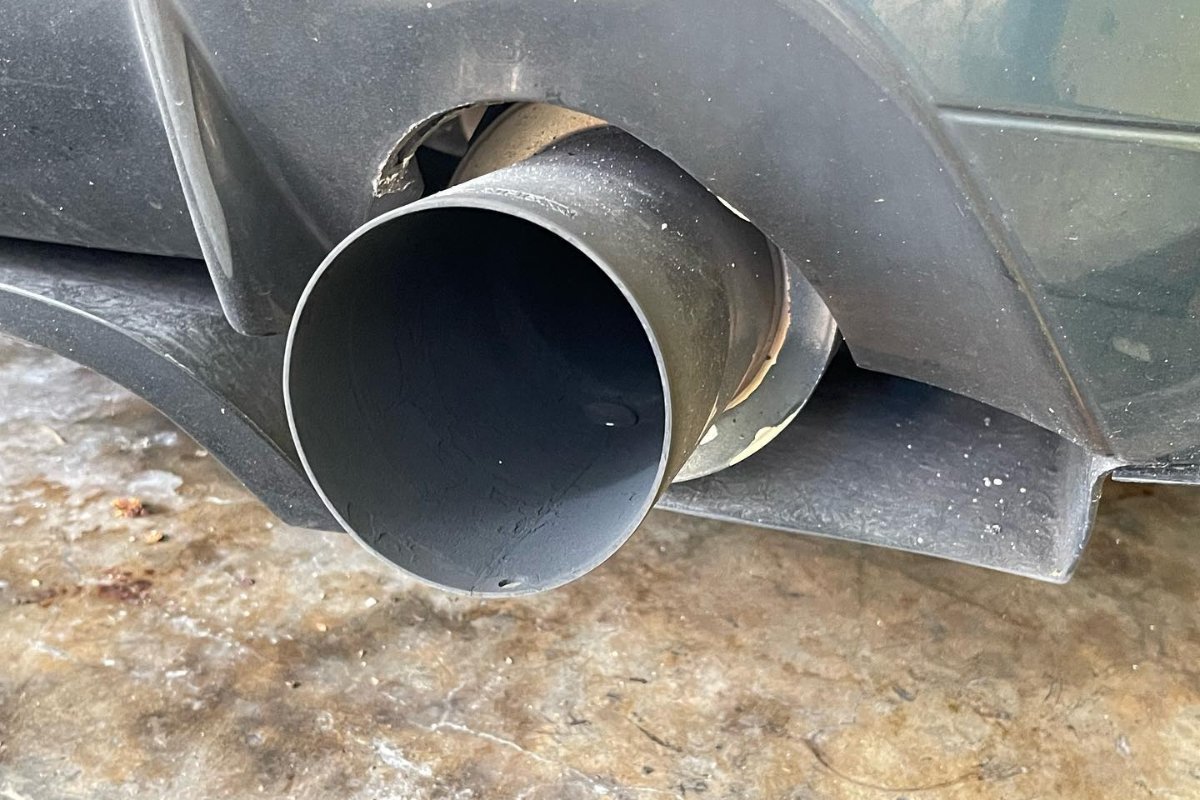
The Mitsubishi Lancer Evolution, sold in Japan as the Lancer Evolution from 1992 to 2016, is a rally-derived four-door sedan with all-wheel drive and a turbocharged engine. The 4G63 2.0-litre turbo four runs through most of the range, and the car rewards owners who keep it maintained. The Evo is one of the few JDM sports sedans that a buyer can drive every day, but the age of the cars and the number of modified examples make the choice harder than it looks.
Most buyers want one of three things: a legal route to bring a Japanese-market Evo home, a usable performance car, or a base for a build. Your choice of generation decides how far the import question is from your own calendar, so start there.
Which Evo generation should you consider?
The earlier cars, from the first Evo through the Evo III, are the classics that collectors chase. The Evo IV to VI cover the mid-1990s to 1999, and the Evo VII to IX (CT9A chassis) run from 2001 to 2007. The Evo X (CZ4A) is the modern-era car, built from 2007 to 2016, with a different engine, the 4B11T.
Japanese-market cars were rated under the voluntary industry cap. The Evo IX is commonly rated at 280 PS in Japan, and export figures differ. Use the factory specification and the export certificate for the exact car rather than an advertised figure.
Is an Evo legal to import to the United States?
Under the US 25-year exemption, a vehicle at least 25 years old can be imported without meeting federal safety standards, and the age runs from the date of manufacture. As of October 2026, Evo cars built up to October 2001 meet the age test, which covers the early generations, the Evo VI, and Evo VII cars built before October 2001. Later cars do not qualify yet. An Evo IX built in 2005, for example, reaches the age test in 2030. The importer declares the car on Form HS-7 under Box 1, according to NHTSA's importation FAQ. That page does not show an effective or last-updated date, so confirm the build date before buying.
Emissions and state registration are separate questions, so check your state DMV before buying.
What could go wrong with an Evo?
Modified Evos are common, and many have had turbo, boost, and ECU changes that stress the 4G63 or the 4B11T. Ask for records of every change, and check for signs of hard use, such as a worn clutch, a leaking turbo oil line, or a turbo that spools unevenly.
The all-wheel-drive system adds components that can wear, including the centre differential and the driveshafts. Check for noise on turns and for a worn clutch, since a replacement can cost more than buyers expect. Read the auction sheet grade guide to understand inspector notes before you commit.
Rust appears on the rear arches and the sills of older cars, so inspect them closely. Check the chassis plate against the registration, because cars are sometimes sold with mismatched engines or bodies.
Who should buy an Evo?
Buy an Evo if you want a turbocharged all-wheel-drive car that can work as a daily driver and a track car. If you want a cheaper entry point into JDM performance, the AE86 guide covers a lighter rear-wheel-drive car, though it needs more care in other ways.
Country notes
United States
The age test above is the verified federal rule. Check your state DMV for registration and emissions inspection before buying.
United Kingdom, Canada, Australia, and Germany
Import rules for this market are being confirmed. Check your national registry or customs authority before buying.
Frequently asked questions
Which Evo is the best buy for the US right now?
The earlier Evo cars that pass the 25-year test are the only ones you can import under that rule today. Confirm the build date before you pay, because the age cutoff moves each year.
Is an Evo reliable as a daily car?
It can be, when the car has a documented service history and the turbo system is kept healthy. Modified cars need more checks.
What is the 4G63 known for?
It is a durable turbo four that supports high boost with the right parts. Its strength is the reason many Evos are tuned.
How do I check for a rebuilt or mismatched car?
Compare the chassis plate, VIN, and export certificate, and ask for a title history. An inspector who knows the model can spot mismatched panels and replaced engines.
Disclaimer: Rules change. Confirm with your national registry or customs authority before buying. The US age test was checked against NHTSA on 2026-10-23.
Last reviewed: 2026-10-23. By the Japanese Auto World Editorial Team.
Photo: Mitsubishi Evolution, via Wikimedia Commons, released under CC0.
See also our guide to Japanese auction houses and the export documents checklist.